ARCA, LLC · ANATOMIC ROTATOR CUFF ARTHROPLASTY
Shoulder
Revolution.
ARCA by OrthoAgile
ARCA explores a different approach to fixing the shoulder socket implant to bone—the foundation for a proposed replacement that more closely follows the mechanics of the natural joint.
Understand the approach ↓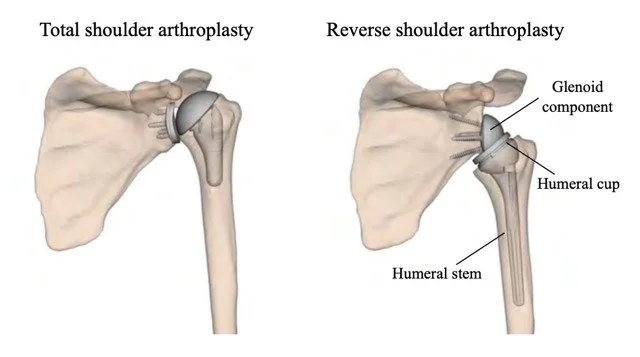
01 / THE CLINICAL NEED
A small surface.
A demanding job.
The glenoid is the socket of the shoulder. Keeping an implant securely attached there is central to a durable replacement.
Dr. Jones’s work focuses on the forces acting on that small surface, especially when bone has been lost or the rotator cuff can no longer guide the humeral head effectively. Movement at the implant–bone interface can undermine fixation.
Reverse shoulder replacement changes the joint’s geometry to address cuff dysfunction. ARCA’s research direction asks whether stronger glenoid fixation could support an anatomic replacement in a broader range of shoulders.
02 / THE ARCA APPROACH
Start with fixation.
Work toward natural motion.
ARCA stands for Anatomic Rotator Cuff Arthroplasty. The project combines patient-specific planning with a proposed anchorage strategy.
Match the patient
CT-based patient anatomy informs a custom implant design, combining Patient Match technology with 3D metal manufacturing.
Preserve critical bone
The proposed press-and-lock insertion uses extension arms and scapular attachment sites, aiming to reduce reliance on central pegs and screws through the glenoid.
Support lasting fixation
The aim is to limit early motion at the interface so bone can grow into a porous surface. Stronger fixation could enable more control of humeral-head movement.
DEVELOPMENT DIRECTION
First, a glenoid component.
Then, a broader shoulder system.
The initial development focus is patients with inadequate glenoid bone, including revision cases. The proposed component would complement existing replacement systems. A complete anatomic system is a longer-term development goal.
Regulatory guidance has identified a potential 510(k) pathway. FDA clearance has not yet been obtained.
03 / TODAY’S IMPLANTS & THE CASE FOR CHANGE
Current solutions.
Unresolved challenges.
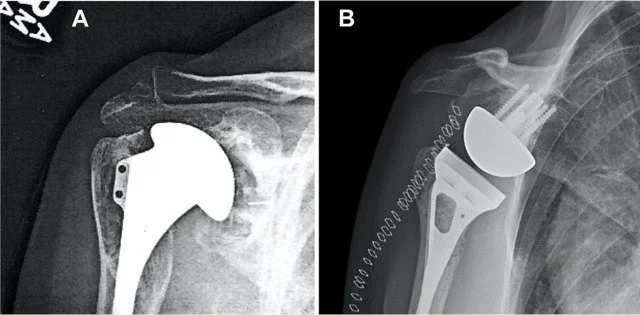
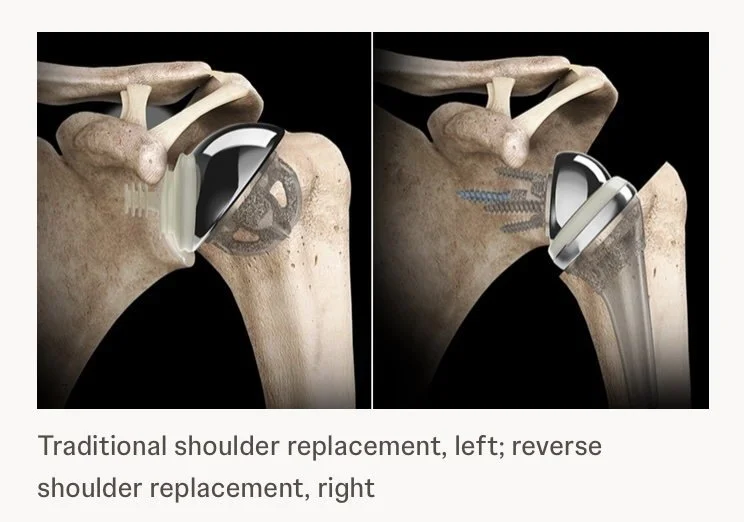
The images below show competing shoulder replacement systems and fixation approaches currently on the market. They illustrate the limitations that motivated Dr. Jones to develop ARCA—not the ARCA design itself.
Fixation comes at a cost.
Many current systems rely on multiple screws, posts, or pegs penetrating the scapula to secure the glenoid implant. Dr. Jones’s work challenges the need for this extensive penetration of bone.
Preserve the foundation.
These penetrations can remove or disrupt bone that is critical to implant attachment, reducing the intact surface available for bone ingrowth. Securing an implant should also protect the bone needed to sustain it.
Keep future options open.
If fixation fails or another problem requires revision, depleted bone can make reconstruction more difficult and leave fewer reliable options. Preserving bone from the outset is a central goal of ARCA.
WHY DR. JONES IS DEVELOPING ARCA
A stronger foundation.
A more considered approach.
ARCA is being developed to address these shortcomings: reduce bone penetration, preserve the bone critical to attachment, and achieve stable fixation while keeping more options available if further surgery is needed.
Testing of printed prototypes and in-silico mechanical analysis—computer-based evaluation of the design’s mechanical behavior—are showing very promising results. The team is continuing development and presenting the technology to manufacturers. These results support further development; clinical superiority has not yet been established.
Protecting the work.
Preparing to share more.
The complete ARCA design is not being disclosed on this website while patent litigation is ongoing. A U.S. utility patent has been granted, and claims covering design elements are under consideration in the United States, Europe, India, and China.
Announcements describing the exact design are planned for broader publications soon. As the work progresses, this page will share developments that can be made public.
04 / PROXIMAL HUMERUS FRACTURE EDUCATION
Understanding
a complex injury.
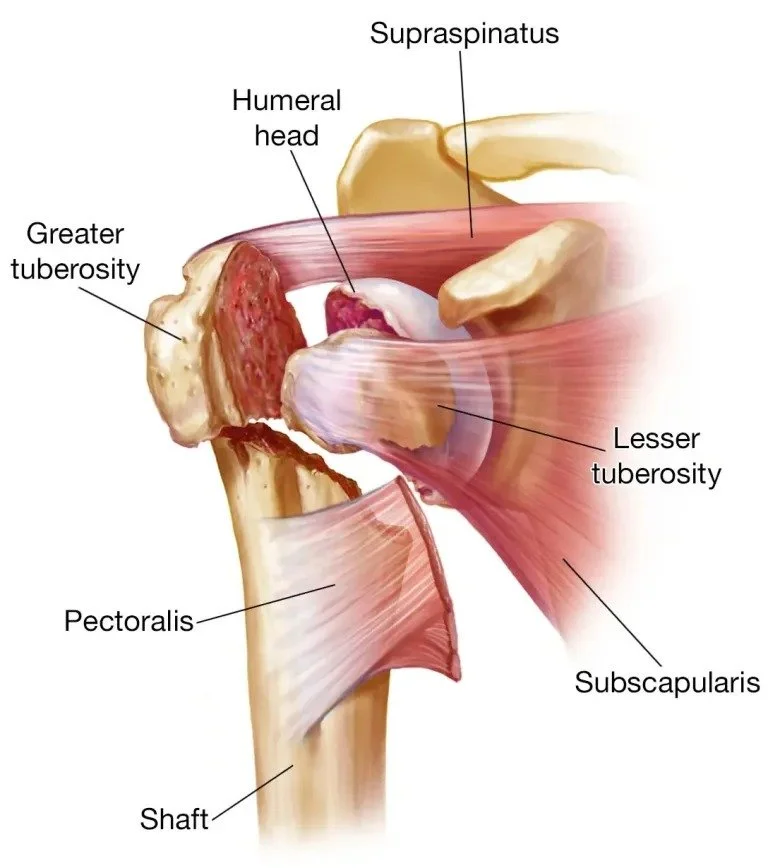
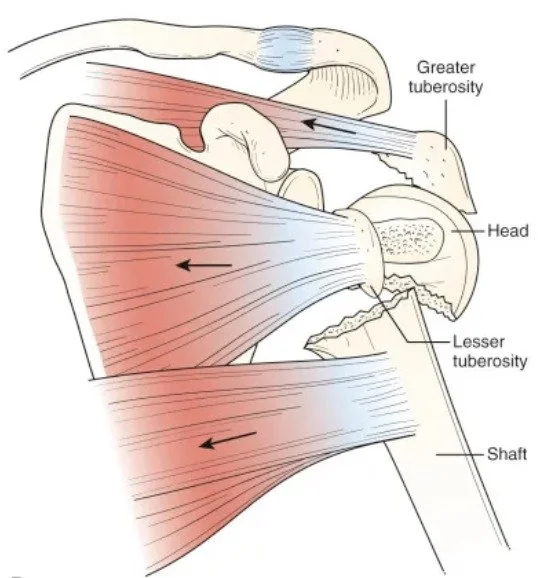
Proximal humerus fractures were Dr. Jones’s first focus in clinical research—and remain a motivation for his design work.
What makes these fractures difficult?
Fragmentation, osteoporosis, the pull of surrounding muscles, and the demands of rehabilitation can complicate reconstruction. In older adults, loss of shoulder function can also compromise independence.
How treatment has evolved
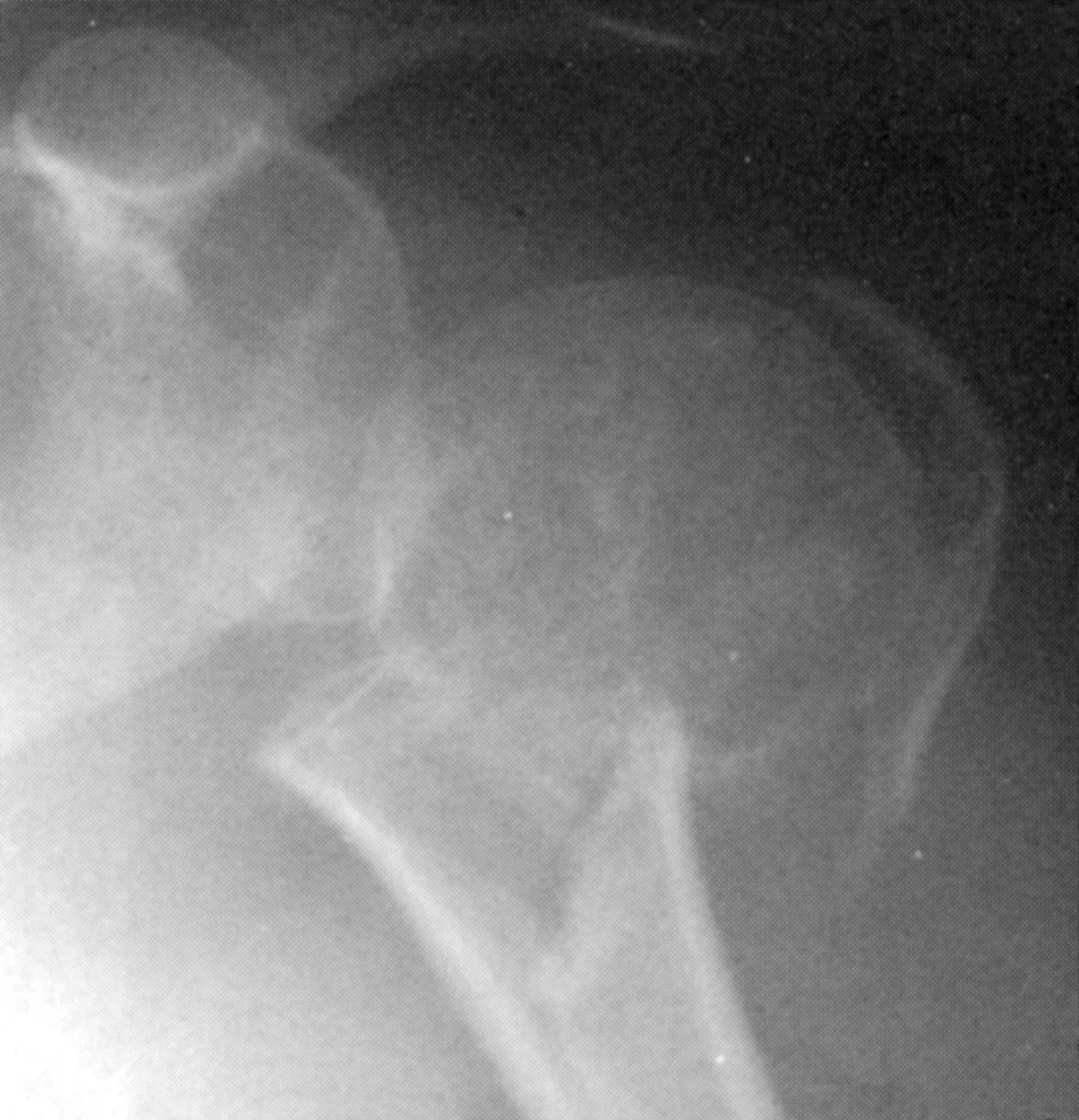
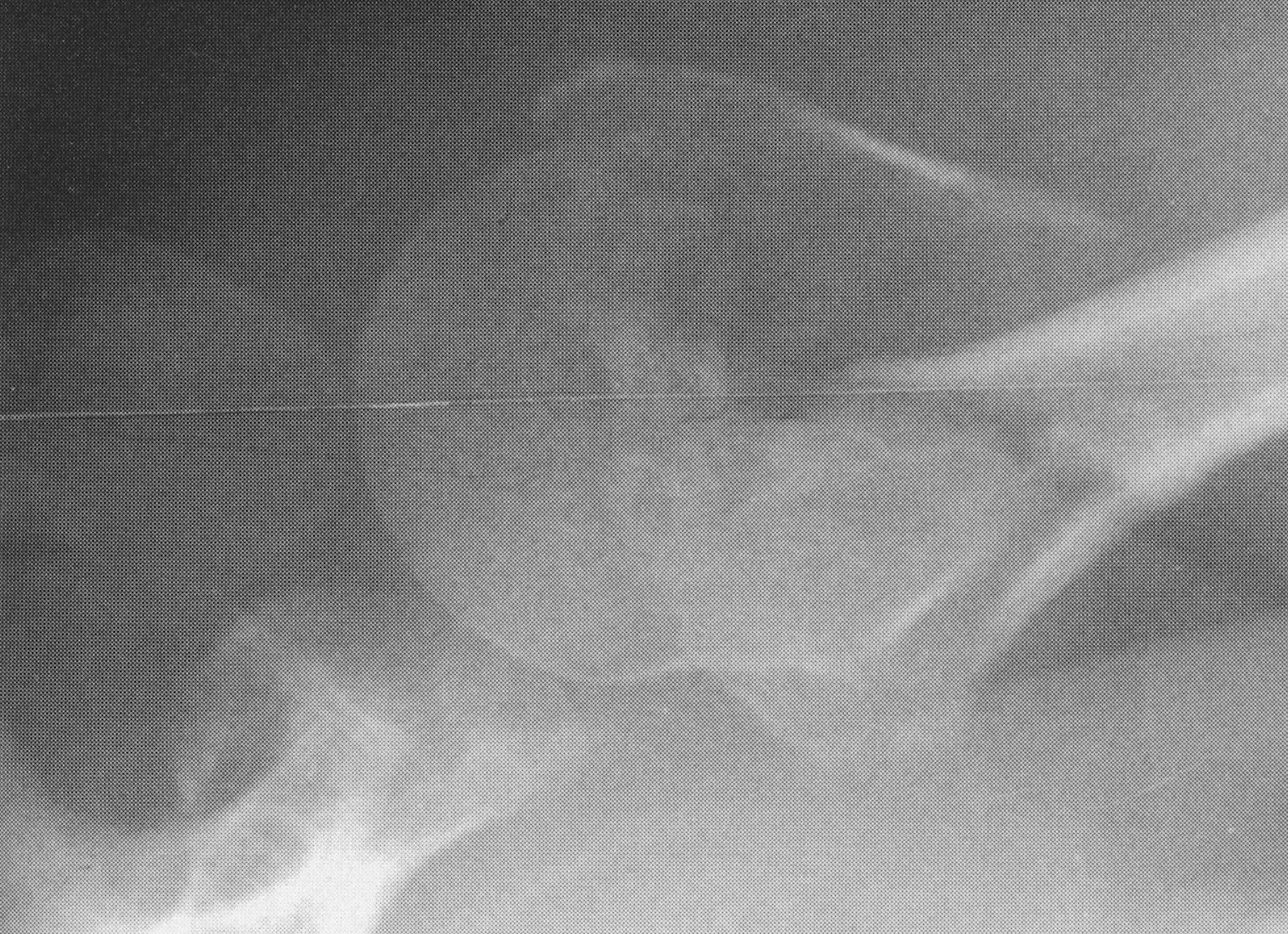
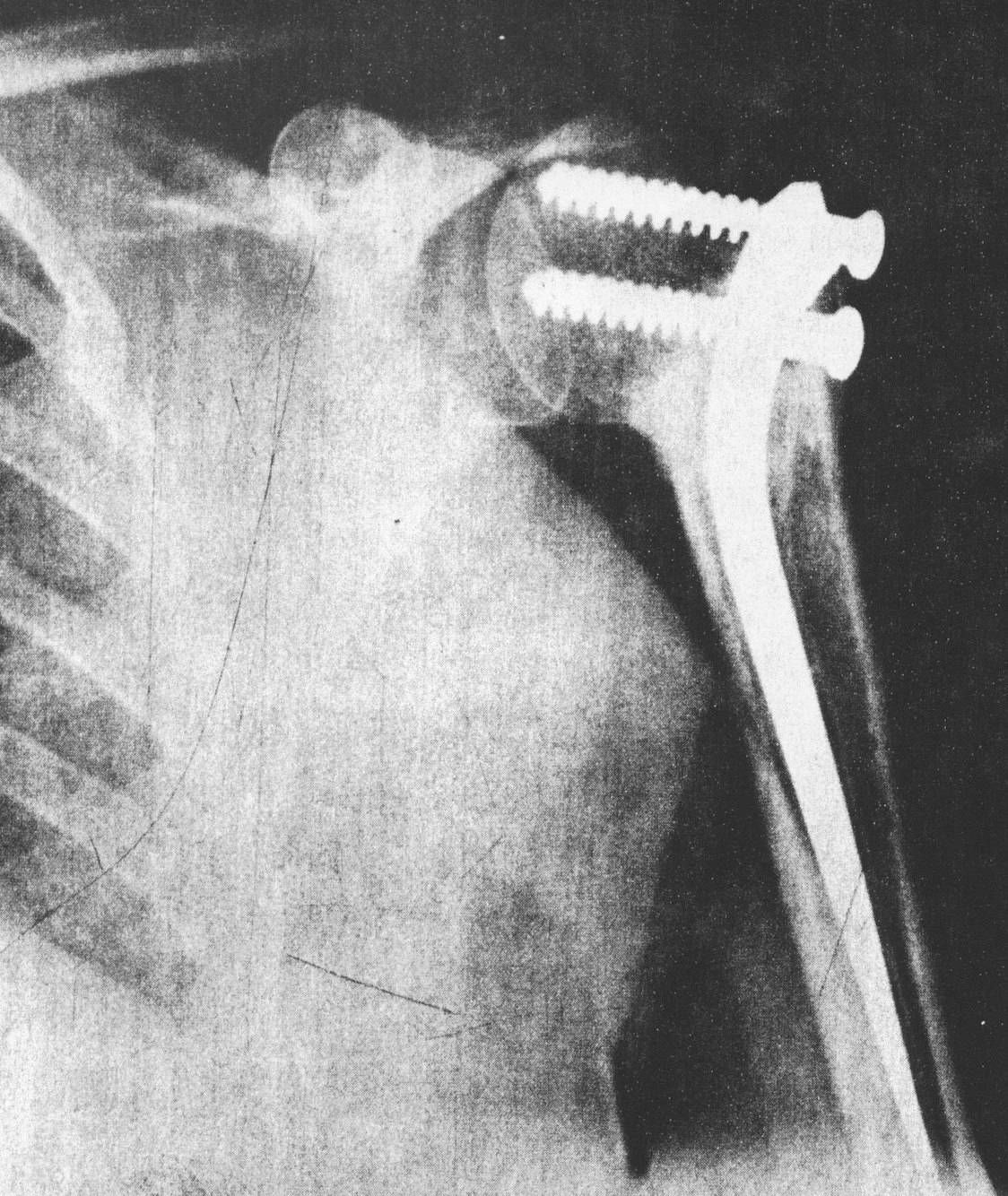
Before CT imaging, surgeons relied heavily on plain X-rays and experience to understand fracture fragments. CT and MRI, locked nails, and locking plates have expanded the available options, although stability and healing remain challenges.
Why individual circumstances matter
Dr. Jones’s early research followed older adults after complex fractures, including those treated without surgery. His work emphasizes evaluating long-term function and the patient’s circumstances, rather than assuming every complex fracture requires the same approach.
Where replacement fits
Reverse replacement is increasingly used for complex fractures with cuff insufficiency, although overhead motion can be limited and dislocation remains a risk. ARCA’s proposed anatomic approach seeks to address some of these tradeoffs through stronger fixation.
Treatment decisions require an individual clinical assessment.
05 / THE TECHNICAL READING
Go deeper, right here.
Explore the clinical rationale behind ARCA, the challenges of glenoid fixation, and the goals guiding its development.
BLOG POSTShoulder innovation · July 2026Why rethink shoulder replacement?
Dr. Jones explains the fixation challenges behind ARCA and the case for a more anatomic approach.
Read the blog postShoulder design & fixation brief
How reverse replacement changes the mechanics
A healthy rotator cuff helps guide the humeral head against the glenoid. When that control is lost, abnormal upward movement can rock an anatomic glenoid implant and contribute to loosening.
Reverse replacement changes the joint’s geometry. Upward force from the humerus becomes a compressive force against the glenoid baseplate, helping stabilize it. This approach can provide useful function despite cuff deficiency, although dislocation and reduced overhead function remain concerns.
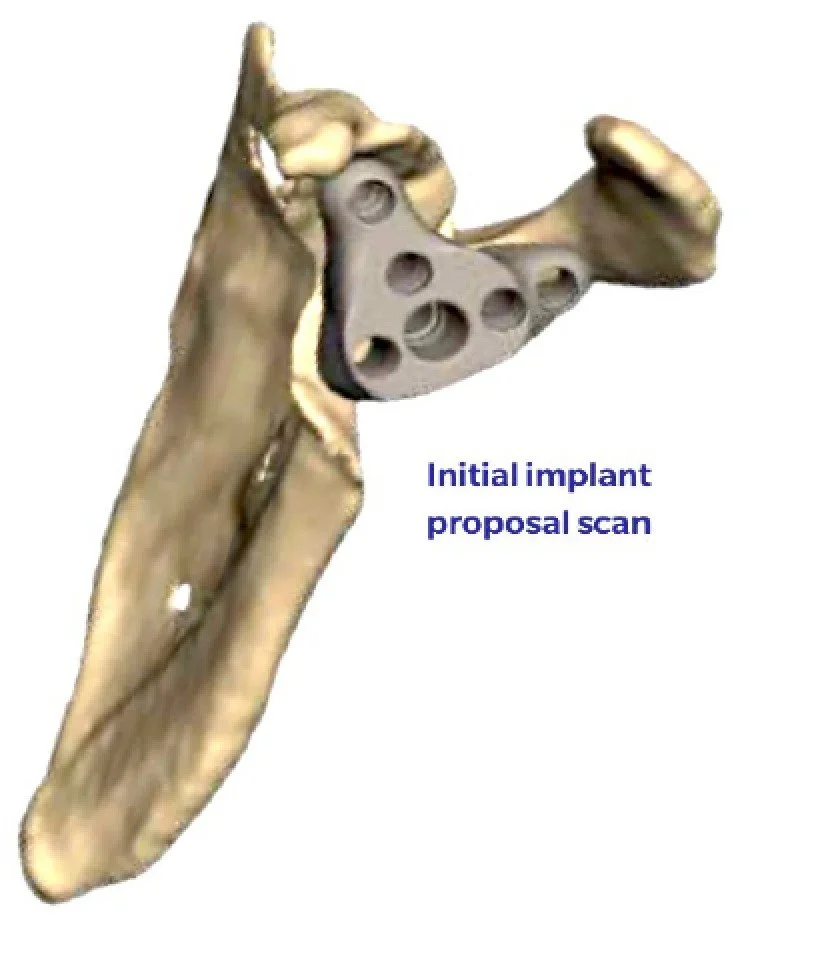
Matching an implant to deficient bone
When glenoid bone has been lost, a custom implant can be designed around the patient’s remaining scapular anatomy. Patient Match technology and 3D metal manufacturing make this individualized fit possible.
These competing implants aim to restore structure and support bone ingrowth, offering an alternative to the uncertainty of bone grafting. Their fixation strategies also illustrate the challenges ARCA is being developed to address.
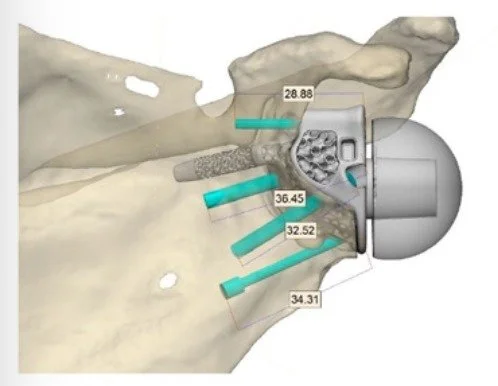
The tradeoff in screw-based fixation
Multiple screws can help anchor an implant where bone is limited. Each penetration, however, passes through bone that is also needed for durable attachment and future reconstruction.
ARCA’s proposed press-fit insertion is intended to reduce reliance on screws, preserve critical bone, and provide stable fixation. Printed-prototype testing and mechanical analysis are informing continued development.
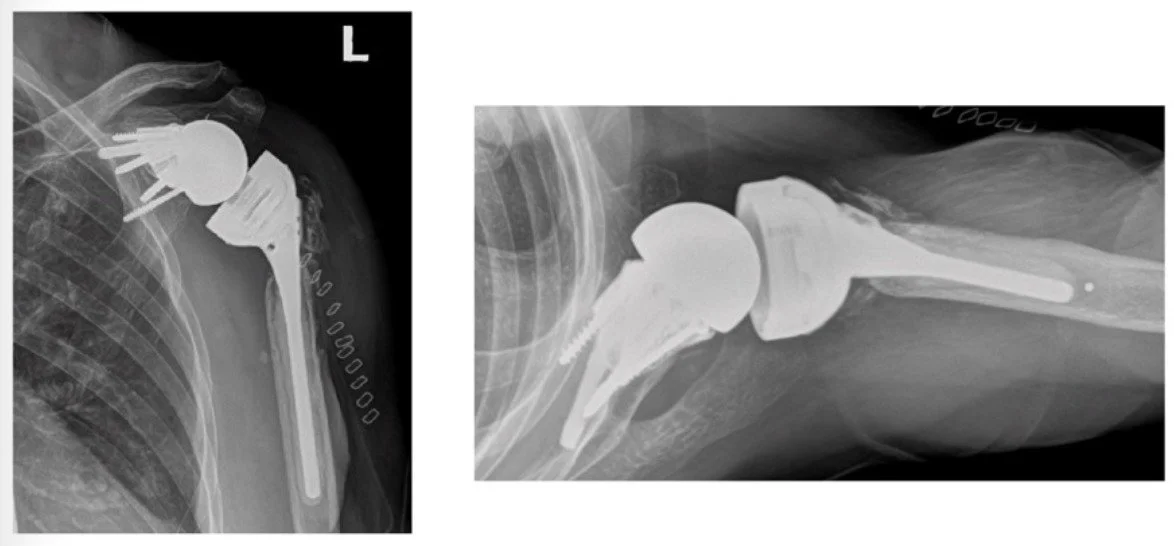
Why future reconstruction matters
These views show how a replacement and its fixation relate to the surrounding bone. If an implant loosens or another complication requires revision, the remaining bone and available attachment sites become central to the next operation.
Preserving those options is part of ARCA’s design goal, alongside the longer-term aim of supporting more natural shoulder mechanics.
The direction for ARCA
Development begins with a patient-matched glenoid component using a less screw-dependent insertion strategy. The broader goal is individualized resurfacing through a standard surgical approach with limited exposure; intraoperative ultrasound guidance is also part of that development vision.
Stronger fixation, easier insertion, and improved motion remain goals for continued testing and clinical validation. Full design details will be shared as patent proceedings permit.
ARCA: problem & proposed solutionGlenoid fixation and a patient-matched approach
The challenge: glenoid implant loosening can undermine shoulder replacement. The small size of the scapular glenoid makes secure fixation demanding, especially when bone loss or rotator cuff dysfunction changes the forces acting on the joint.
The proposed solution: use patient-specific data and 3D metal printing for a precisely fitted glenoid resurfacing implant. The design is intended to permit rigid attachment through a standard exposure, without drill holes or screws in critical bone areas, and to support biological anchorage through bone ingrowth.
Stronger anchorage and an individualized socket shape could help control humeral-head migration in rotator cuff deficiency or dislocation, while addressing substantial glenoid bone loss. Restoring motion and strength and reducing pain are development goals that require clinical validation.